
NEWS
Michigan Senate race intensifies as critics circulate claims that Democratic nominee Abdul El-Sayed’s family members praised the October 7 attack and appeared in terrorist-watch-list filings, while his campaign says he disagrees with their rhetoric… Read more

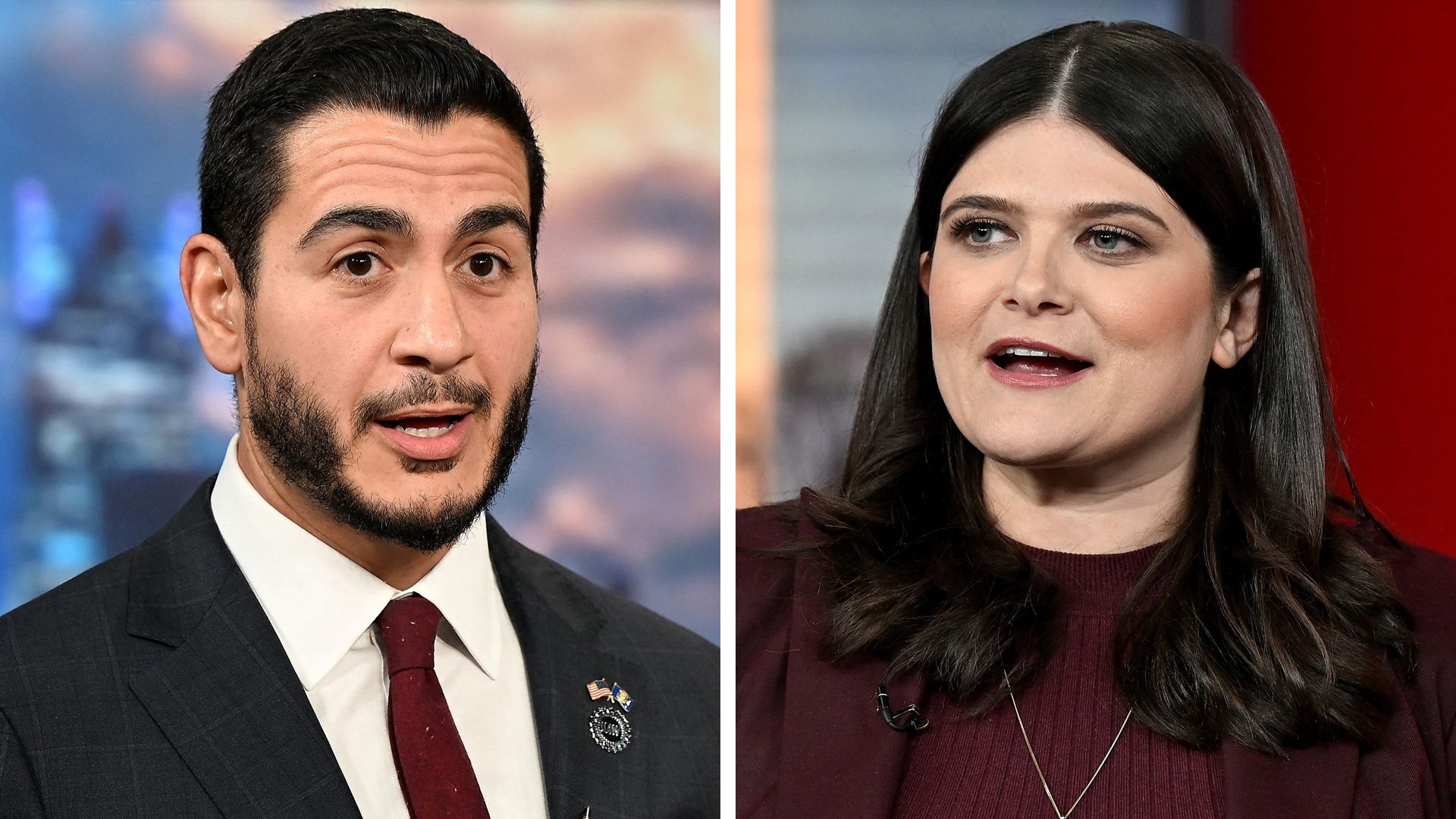
Michigan Senate Race Intensifies as Abdul El-Sayed Faces Scrutiny Over Family Members’ Controversial Statements and Watch-List Claims
The Michigan U.S. Senate race is facing renewed controversy as Republican critics intensify their scrutiny of Democratic nominee Abdul El-Sayed, focusing on statements and past legal proceedings involving members of his extended family.
The latest dispute centers on El-Sayed’s half-sister, Eman Abdelhadi, whose past public comments about the October 7, 2023, Hamas-led attack on Israel have drawn criticism from Republican groups and other opponents. Reports say Abdelhadi posted an “October 7” message on the anniversary of the attack in 2024, which critics have characterized as celebratory.
The controversy has also expanded to El-Sayed’s wife’s sister, Mariam Jukaku. Court documents from litigation brought against U.S. government officials indicate that Jukaku was among plaintiffs who challenged an alleged placement in the federal Terrorist Screening Database. The Federalist reported that the government has a policy of neither confirming nor denying whether an individual is included in the terrorism watch-list system.
That distinction has become an important part of the political debate. The court filings document litigation over an alleged watch-list designation, but they do not by themselves establish that Jukaku engaged in terrorism or terrorist activity. The litigation involved constitutional and legal challenges to government screening procedures.
Republican groups have nevertheless seized on the family connections as part of a broader effort to question El-Sayed’s positions on terrorism, Israel and the Middle East. The National Republican Senatorial Committee has highlighted the family allegations alongside other controversies involving people who have supported or appeared with the Democratic nominee.
El-Sayed has faced similar criticism over his association with political commentator Hasan Piker. FactCheck.org found that claims that El-Sayed himself believed America deserved the September 11 attacks were unsupported. El-Sayed has repeatedly said the attacks were unjustified and specifically condemned the idea that America deserved 9/11.
The candidate has also been criticized for comments following a March attack at a Michigan synagogue. While opponents argued that his explanation of the attack appeared to excuse the perpetrator, PolitiFact found that El-Sayed explicitly condemned the attack and said there was no justification for targeting innocent people. The fact-check rated the opposing claim that he could not condemn the attack as “Mostly False.”
The dispute comes as El-Sayed prepares for the November general election against Republican nominee Mike Rogers. The campaign has increasingly focused on questions surrounding Israel, terrorism, antisemitism and the candidates’ broader political alliances.
For voters, the controversy raises separate questions that should not be conflated: what individual relatives have said or experienced, what court documents actually establish, and what Abdul El-Sayed himself has said or done. Those distinctions are likely to remain central as both campaigns continue making the case to Michigan voters.
With the election approaching, the family-related allegations have become another front in an already contentious contest, while El-Sayed’s campaign continues to argue that his own views and record should be judged independently of statements made by relatives.

👀 TRAVIS KELCE HAD A PRETTY SPECIAL ROLE MODEL GROWING UP.

💔 TRAVIS KELCE SPEAKS OUT: After the final whistle against the Las Vegas Raiders, the Kansas City Chiefs tight end suddenly paused in the tunnel; his vacant stare left the entire stadium hushed. “There are things I’ve kept bottled up for too long, and tonight, I don’t want to hide them anymore,” Kelce reportedly whispered to someone close to him.

CELEBRITYBaby NO.1: SHOCKING!! Right after Taylor dominated the 2026 VMAs solo while Travis cheered from Miami, the newlyweds just confirmed something huge about their future family plans. Fans are losing it. See morePublished 10 hours ago on October 1, 2026By Geraldine Janes

First look at Taylor Swift and Travis Kelce’s wedding ceremony, officiated by Adam Sandler.

💔 BREAKING UPDATE FROM KANSAS CITY (30 MINUTES AGO): PATRICK MAHOMES AND HIS WIFE BRITTANY OFFICIALLY CONFIRMED… Red alert for Kansas City Chiefs fans! Just 30 minutes ago, shocking news regarding superstar Patrick Mahomes and his wife Brittany was officially released by authorities. The veil of secrecy surrounding their relationship and long-standing behind-the-scenes drama has finally been lifted… 📌 SEE THE FULL DETAILS AND THE WHOLE STORY HERE👉😱:Published 1 hour ago on October 6, 2026By Adams Helen

Why Taylor Swift Missed Travis Kelce’s 2nd Away Game of the Season…Published 2 hours ago on October 6, 2026By Daniel Elena

Taylor Swift and Travis Kelce stepped out for dinner in NYC on Monday night on his 37th birthday! 🎂 Taylor Swift and Travis Kelce Celebrate His 37th Birthday With Dinner Date in NYC

30 MINUTES AGO: Taylor Swift’s announcement drew attention right after Travis Kelce celebrated his 37th birthday in New York… October 6, 2026 at 07:46 PM

BEYOND THE RED CARPET! The Sweet Private Celebration Going Viral! 🚨 Winning major trophies on a global stage is incredible, but the best victory celebration happened behind closed doors! 💥⚡ Following Taylor Swift’s iconic streak at the MTV VMAs, Travis Kelce melted hearts everywhere with a thoughtful home-cooked surprise to welcome her back. Amidst all the media frenzy and public attention, this sweet moment proved that keeping things grounded, loving, and personal is what truly keeps their bond unbreakable! ✨💖 When world-class success meets genuine love and comfort, magic happens! 🎉💯 👇 What’s your favorite thing about this power couple?

“It’s Tough” — Travis Kelce Breaks His Silence as Home Controversy With Neighbors Takes a New Turn Travis Kelce is used to dealing with noise on the football field, but the latest controversy surrounding him has nothing to do with the Kansas City Chiefs. Instead, attention has shifted to his new Ohio home, where privacy concerns, neighborhood reactions and a highly discussed property dispute have created an unexpected headache.

Caitlin Clark Meets Brave 12-Year-Old Fan Known as “Little Angel” in Emotional Encounter That Moves Hospital Staff to Tears
