
CELEBRITY
🚨 BEYOND THE ROYAL GLAMOUR: KATE MIDDLETON HAS SPENT OVER 15 YEARS IN THE ROYAL SPOTLIGHT — BUT WHERE IS THE LOUDER ADVOCACY? INDIA FACES POVERTY, CHILD EXPLOITATION, RAPE AND VIOLENCE AGAINST WOMEN. CRITICS ARE QUESTIONING WHETHER THE PR MACHINE IS GETTING MORE ATTENTION THAN THE HUMANITARIAN ISSUES THAT NEED THE WORLD’S ATTENTION!

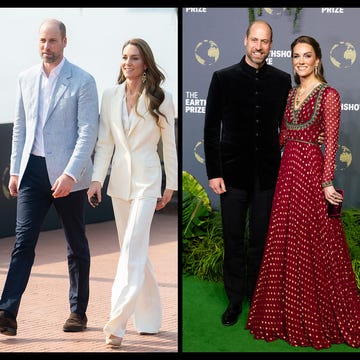
Princess Catherine, the Princess of Wales, has spent more than 15 years as one of the most recognisable and closely watched members of the British Royal Family. Her public appearances, fashion choices, international engagements and carefully managed public image regularly attract enormous media attention. But as the royal spotlight turns towards India, a difficult question is emerging: should the attention surrounding royal glamour also create more space for serious humanitarian conversations?
India is a country of extraordinary cultural richness, economic ambition and remarkable diversity. However, it also faces significant social challenges, including poverty, child exploitation, gender inequality, sexual violence and the abuse of vulnerable communities.
These are not minor issues that should disappear beneath the excitement of royal appearances, expensive jewellery, designer clothing and carefully choreographed photographs.
For critics, the concern is not necessarily that Catherine has done nothing meaningful. Rather, they are questioning whether the enormous international platform available to the Princess of Wales is being used as effectively as it could be to draw attention to urgent humanitarian concerns.
Over the years, Catherine has developed a public profile strongly associated with early childhood development, mental health and family wellbeing. Through initiatives such as the Royal Foundation Centre for Early Childhood, she has sought to place childhood development at the centre of public discussion.
Those efforts deserve recognition. Nevertheless, critics argue that a global royal platform carries opportunities as well as responsibilities, particularly when royal representatives visit countries confronting serious social inequalities.
WHERE IS THE STRONGER HUMANITARIAN CONVERSATION?
India continues to face difficult questions about child labour, access to education, poverty and violence against women. Although the country has made progress in several areas, significant challenges remain.
For women and girls experiencing abuse, exploitation or discrimination, international attention can help amplify the voices of campaigners, survivors and organisations working towards meaningful change.
Critics believe that high-profile royal visits should offer more than ceremonial engagements and attractive photographs. They should also provide opportunities to acknowledge difficult realities and highlight the people working tirelessly to address them.
A royal visit does not have to become a political confrontation. However, there is a difference between simply celebrating a country’s cultural heritage and using an international platform to recognise the challenges facing some of its most vulnerable citizens.
THE POWER OF THE ROYAL PUBLIC RELATIONS MACHINE
Few members of the modern Royal Family attract the same level of international media fascination as Catherine. Her wardrobe can dominate headlines, her jewellery can generate extensive discussion, and even relatively brief public appearances can become major entertainment stories.
That visibility is powerful.
But it also raises questions about the priorities of royal coverage. Why do discussions about royal fashion sometimes receive considerably more attention than the humanitarian organisations and communities working to improve people’s lives?
The media has its own responsibilities, and the Princess cannot control every headline written about her. Nevertheless, critics argue that the institution surrounding the monarchy could do more to ensure that serious issues receive meaningful attention alongside the glamour.
A PLATFORM THAT COULD REACH MILLIONS
Catherine does not personally control India’s social policies, nor can a royal visit solve deeply rooted problems such as poverty, exploitation or gender-based violence.
But international influence can make a difference.
A carefully chosen public message, a meeting with grassroots organisations, greater visibility for women’s rights advocates or meaningful engagement with child-protection charities could help bring important conversations to a much wider audience.
The question is not whether the Princess of Wales should abandon royal ceremonies, fashion or diplomatic engagements. It is whether the humanitarian dimension of her international role can become more prominent.
Ultimately, royal influence should not be measured exclusively by the number of photographs published, the elegance of an outfit or the attention generated by a public appearance.
It should also be measured by the conversations encouraged, the organisations supported and the vulnerable people whose experiences receive greater recognition.
As Catherine continues to command international attention, critics are asking a question that goes beyond royal glamour: when someone has access to such an extraordinary global platform, how much more could that influence achieve for people whose struggles rarely make the headlines?
Because sometimes, the most important story from a royal visit should not be what a princess wore, but the human issues that the world was encouraged to notice.

ANOTHER GENERATION FOR THE SAKE OF THE INSTITUTION!” — PRINCE WILLIAM STORMS OUT OF THE ROYAL ARCHIVES, LEAVING THE FAMILY IN TURMOIL! …But what truly leaves King Charles frozen in his tracks is the chilling warning William leaves behind, making it clear that Prince George will never… 👇👇

🚨 BEYOND THE ROYAL GLAMOUR: KATE MIDDLETON HAS SPENT OVER 15 YEARS IN THE ROYAL SPOTLIGHT — BUT WHERE IS THE LOUDER ADVOCACY? INDIA FACES POVERTY, CHILD EXPLOITATION, RAPE AND VIOLENCE AGAINST WOMEN. CRITICS ARE QUESTIONING WHETHER THE PR MACHINE IS GETTING MORE ATTENTION THAN THE HUMANITARIAN ISSUES THAT NEED THE WORLD’S ATTENTION!

Prince Harry, a man with the DIPLOMATIC skills of a JACKET POTATO and the EMOTIONAL MATURITY of a DISGRUNTLED twelve-year-old, is about to share his wisdom on Putin again.

🔥 PRINCE WILLIAM AND ROBERT IRWIN’S BOND EXPLODES IN MUMBAI! Aussie Star Gets CLOSER to Princess Catherine in Their First-Ever Meeting as He Makes a STUNNING Revelation About William and Kate’s Marriage That Has Royal Fans Talking!

1 MINUTE AGO: King Charles III issues an URGENT address to the entire UK amid overwhelming grief, his voice trembling as he reveals: “My son has…

“THE ROYAL EMERALDS THEY CAN ONLY DREAM OF OWNING! Princess Catherine’s Coveted Royal Jewels Spark Envy as Critics Are Reminded That the Priceless Collection Was Never Theirs to Claim!”

A loved-up ROYAL appearance with a BOLLYWOOD touch. PRINCE WILLIAM and PRINCESS CATHERINE looked every bit the STYLISH couple as they arrived at the Earthshot Prize Awards in stunning Indian attire

The Princess of Wales is wearing an Anarkali by Mahima Mahajan from handwoven silk Georgette with traditional Banarasi gold detailing, coloured in a rich vermilion using vegetable-based dyes, celebrating India’s textile heritage with hand embroidery and glass bead embellishments which reflect a conscious choice of materials.

The Prince and Princess of Wales dazzled at the 2026 Earthshot Prize gala with a truly Bollywood-style appearance💫. Kate has returned to this major event four years later and has done so in style, wearing a spectacular, Eastern-inspired gown that perfectly complemented William’s velvet jacket with a Hindu-inspired design ❤️

The Princess of Wales makes an impression in India wearing the spectacular emerald parure—part of the Emerald Tassel Parure collection, which also includes a necklace and at least one ring—that once belonged to Elizabeth II.

Breaking: Adele has gone back to her default settings, as she couldn’t keep up with the diet and workout routine that reduced her body weight in the past.
